View as Web Page Subscribe Send to a Friend

October Newsletter

In this issue

Contact

It's Time to Plant!

Useful Plants at Niche Gardens

Ask the Chuckster: Useful plant advice from Chuck Marsh

October Plant of the Month: Mulberry

Deliveries

In Asheville: On Wednesdays at 5 pm pick up plants at Greenlife.


Deliveries: We deliver plants up to four hours away from our nursery for a distance-based delivery fee. Share the delivery fee with your friends or neighbors and get a discount by arranging a group order!

Consulting and classes

See our curriculum of classes on the website. Bring Chuck in for a private consultation on any of these topics or arrange for a small or large group class. More info? Click here.

Gift certificates


With a UPN gift certificate, the recipient can get just what they want when they are ready to plant.


Or, let your friends and family know that you'd like a UPN gift certificate for a special tree, bush, or other useful plant.


Gift certificates are available in any denomination of $5.00 or more. We will send a paper certificate in the US mail. If you prefer, we can send a PDF file that you or your recipient can print.


You can pay for gift certificates with a credit card through our secure website, or contact us at info@usefulplants.org or (828) 669-6517 for other options.


Videos

We're thrilled to offer the following videos:


Facebook

Useful Plants Nursery is on Facebook! Be a friend and/or fan, hook up with other Useful Plants people, and share your stories.

About UPN

Useful Plants Nursery is a small, permaculture-based nursery specializing in useful, phytonutritional, food, and medicine plants well-adapted to our Southern Appalachian mountains and surrounding bioregions. Our plants are grown without the use of synthetic pesticides at our nursery located at Earthaven Ecovillage.


I believe that growing your own food and medicine plants is a vitally important strategy and practice for regaining control over our collective and personal lives, our health, and our individual and bioregional economic well being. Our nursery is dedicated to putting those beliefs into practice and truly creating "Liberation through Abundance" as we serve your needs for healthy, useful landscape plants, and work together to reweave the web of life.


         -- Chuck Marsh, nurseryperson, permaculture designer, bioregional inhabitant


UPN is a North Carolina certified nursery.


To see a full list of our plants, click here.

Contact

Useful Plants Nursery

111 Another Way

Black Mountain, NC 28711

828.669.6517

www.usefulplants.org

info@usefulplants.org

It's Time to Plant!

The best time to plant a fruit tree is 5 years ago, the second best time, is today!


Fall is a great time to plant trees and shrubs in the Southeast because planting in the fall gives the plants more time to establish their roots before the hot summer.


In addition, we have our largest inventory of the year, including some plants that have been out of stock, such as mulberries, several varieties of chestnuts, and even a few hazelnuts.


Please check out our website and see which fruit trees and shrubs you want to add to your garden this autumn. http://www.usefulplants.org

Useful Plants at Niche Gardens

A selection of Useful Plants is at Niche Gardens in Chapel Hill for the rest of October.


Through October 23 Niche Gardens will have their plants on sale for 40% off so you can add some flowers and other native plants to your landscape. (The Useful Plants are not on sale, just Niche's plants.)

Ask the Chuckster: Useful plant advice from Chuck Marsh

by Chuck Marsh, UPN founder and horticulturist


I’ve been getting a lot of calls about plants with droopy leaves or even dropping their leaves early. This summer was hot and dry, and the plants are stressed. It’s important to water deeply – get the water down into the roots. If you just water the surface, the plant doesn’t develop deep roots and is less drought tolerant.


The best solution is prevention – watering deeply once a week, every week. If that’s challenging with your schedule, a drip irrigation system can be a big help. These are inexpensive and easy to use. You can get a simple kit at most garden centers or go for a more elaborate system at a landscape professionals supply store. The drip irrigation applies the water slow enough that it can really sink into the soil, rather than draining off the top of the soil.


Another good preventive measure is a two-inch mulch layer. You don’t want the mulch too deep or it will smother the roots. For mulch you can use bark, compost, rocks, or other organic material. For blueberries be careful that the mulch doesn’t contain lime or eggshells – pine bark mulch is the best option for blueberries. Check the soil depth a couple times during the season – hot temperatures really eat up organic matter so you might need to add more mulch.


If your plant is showing signs of stress:

  • Water the plant deeply. This might take multiple sessions. If the water is running off, create a dam to hold the water in.
  • Give the plant a seaweed solution, such as Nature’s NOG. This will help the plant handle the stress better.
  • Ensure that the mulch is two inches deep.

My plant dropped all its leaves. Is it dead?

Your plant could be dead if it didn’t get enough water at critical growth or transplanting stages, contracted a root fungus, such as phytophthera, or succumbed to a pest like a stem borer. In all likelihood and given the weather recently, your plant is under stress from hot, dry weather or disease pressure and is just trying to conserve its energy by going dormant a little early. Basically, it defoliated early to protect itself from stress. If it’s still alive, however, give it some extra love and attention as described in the previous question.


To determine whether the plant is still alive:

  • Bend a branch to see if it flexes or breaks. If it flexes, then the plant is most probably still alive. If the branch snaps and isn’t showing any green cambial tissue, it may be dead. If all the branches snap, the plant most likely is……… dead.
  • Use a knife or pruner blade to scrape off a little of the bark. If you see green under the bark, the branch is still alive. Start at the tip of the branch and work your way towards the trunk or main branches until you see green.

If the plant is still alive, give it a quart to a gallon of dilute seaweed solution, such as Nature’s NOG, to help the plant respond to stress and be restored to health.

October Plant of the Month: Mulberry

by Chuck Marsh, UPN founder and horticulturist


There has been a many thousands of years old ongoing relationship between humans and mulberries. Much to our benefit I must say. In many ways, mulberry is one of the penultimate useful perennial plants. Not only is it a superfruit, loaded with nutritional goodness, the whole plant has served humanity in a multitude of ways for most of our cultural evolution.


I hope you all have relished a ripe mulberry fruit at some time in your life, because a good one has one of those savory fruit flavors that transcends its ripe sweetness and leaves you wanting more. This is a good thing, because mulberries are delicious fresh and you can expect large crops from your plants, even in small spaces when you grow them as multiple stemmed shrubs. 


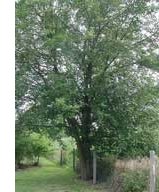
Check out our video on growing trees as shrubs where Debbie explains the details on one way to do this. http://www.youtube.com/watch?v=TJQeNqwBls8 This method is a pruning intensive horticultural practice that confers a distinctive advantage for growing mulberries as shrubs: you can easily harvest large amounts of fruit standing on the ground. No climbing necessary. Or you can let your mulberry grow and become up to a 30’ or taller shade tree that you’ll harvest by laying down sheets under the tree and then climbing the tree and shaking it’s branches to send ripe mulberries plummeting earthward.


Full-sized mulberries make excellent lawn trees, where a closely mowed lawn at fruit drop time can soften the impact on these soft fruits and make harvest from the ground easier. Mulberries are best placed in lawns, shrub borders, pastures, forest gardens, or orchards. It's not a good idea to plant them where they will overhang parking areas, walkways, or outdoor paved surfaces. The purple fruit can stain cement and vehicles, and any birds around will be feasting on mulberries and dropping purple poop all over the ground under mulberries.


Some years when conditions are right, mulberries ferment on the tree and the birds get so drunk they just stagger around on the ground and can’t even fly. Makes me think about the natural fermentation potential for mulberries and good uses for damaged fruit.


Mulberry fruit is considered a superfood due to its nutritional density and high concentrations of anti-oxidants, polyphenols, anthocyanins, and essential vitamins and minerals, not to mention significant amounts of protein and healthy fats. Dried mulberries are delectably sweet and flavorful and far more nutritious than raisins. Traders on the Silk Road brought dried mulberries from China to Turkey, where they were a highly valued delicacy. They can also be made into a super nutritious health drink, or into preserves, syrups, or wine. The culinary possibilities are endless.


I would be remiss if I didn’t also mention some of mulberry’s other wonderful characteristics. The inner bark, young sprouts, and leaves are edible and have been used as famine food, when all else failed. I wouldn’t suggest you wait till there’s a famine to begin eating the leaves as a cooked vegetable. You can dry and store the leaves for later use. I recommend starting with younger, tender leaves and tips because the older leaves will be more fibrous, and in the case of the native red mulberry, the older leaves are possibly toxic. Mulberry leaves are rich in carotene and calcium and the dried leaves are exceptionally high in protein, containing 18-28.8% protein. The inner bark can be dried, then roasted, then stored or cooked to make an edible manna. The dried leaves are widely used for many medicinal purposes in Chinese Traditional Medicine, as is the fruit and root bark.


The inner bark of year old mulberry stems produces a fiber that can be woven into clothing. This inner bark can also be used to make strong, beautiful paper. The dense wood of mulberry trees is used for fuel wood, ethanol production, woodworking, and boatbuilding. The links at the end of this article will give you lots more information about this wonderful plant’s uses and nutritional and medicinal qualities.


Culture of mulberries is not difficult. It succeeds in a variety of soils, though it prefers warm, well-drained, loamy soils in a sunny spot. Mulberry will do as a forest edge tree, though anything less than full sun will reduce its productivity. Mulberries are relatively drought and wind resistant once established for a few years.


The best fruit producers are often inter-specific crosses of red, white or black mulberries. For best quality fruits it is best to choose a named variety that has been selected for fruit quality, productivity, a long production season, and disease resistance. UPN currently offers the classic mulberry hybrid that sets the standard for all others, ‘Illinois Everbearing’. We hope to offer an extended selection of varieties as we bring our propagation facilities on line.


It seems obvious to me that mulberry deserves to be restored to the upper ranks of the Useful Plant pantheon for our times. It certainly meets my criteria for a plant ally in our quest for liberation through abundance.


Here are those mulberry links:

http://www.usefulplants.org/berries/mulberry.php

http://www.pfaf.org/user/Plant.aspx?LatinName=Morus+alba

http://www.pfaf.org/user/Plant.aspx?LatinName=Morus+nigra

http://www.pfaf.org/user/Plant.aspx?LatinName=Morus+rubra

http://www.itmonline.org/arts/morus.htm

Useful Plants Nursery • 111 Another Way • Black Mountain • NC • 28711 • 828.669.6517

Subscribe | Unsubscribe | Preferences | Send to a Friend | Report Spam
Bookmark and Share