Q: How do I know if a home has a mold problem?
A: First of all, every home contains at least some mold. Mold presence is a natural occurrence in the atmosphere, which is often elevated in climate locations with higher temperatures and humidity. There are a few approaches to take in order to determine if a home actually has a mold problem:
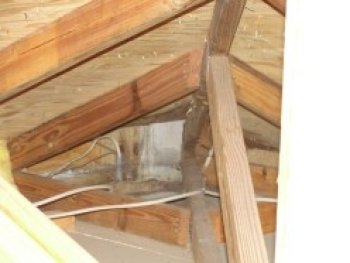
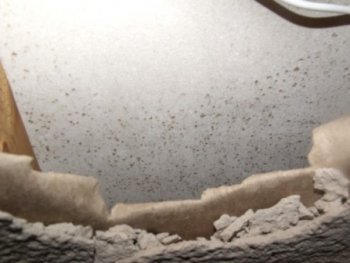
1) Performing a visual search for surface mold. If mold is found on surfaces within the interior of the home, then the next step is to consult with a Licensed Mold Remediator for corrective measures. If mold is not visible, then;
2) An air quality survey is the best method in determining if a home has a "hidden" mold problem. An air quality survey simply involves sampling the atmosphere within the home and and comparing it in a laboratory with a sample of air from the exterior of the home. The analysis determines if the mold spore count within the interior of the home is "elevated" compared to the natural mold spore count from the exterior.
Q: Why does mold grow inside a home?
A: Mold is part of the natural environment. Mold is introduced to the interior of the home easily when doors and windows are opened. Mold is also carried inside on our bodies when we enter the home. However, once mold is introduced to the interior of the home, it needs a moist environment to survive and reproduce.
Q: How can I keep mold from growing inside a home?
A: Since moisture is required for mold to survive and grow, maintaining the interior atmosphere within the home is key to prevention. Air conditioning is the best way to reduce the moisture content within the home's atmosphere. Also, correcting any water leaks quickly will help eliminate ideal breeding grounds for mold (such as window leaks, roof leaks, plumbing leaks, etc.).
Q: Can mold cause health problems?
A: Mold has the potential to cause health problems as it produces allergens that often cause allergic reactions in sensitive individuals. Typical reactions are sneezing, runny nose, red eyes, and skin rashes. However, it should be noted that the more sensitive an individual is (for example asthmatic persons), the more severe these symptoms can be. Furthermore, there are certain types of mold that are toxic.
Q: How can I correct a mold problem?
A: First, the mold and affected surfaces must be removed and/or cleaned. Second, the source of the moisture which promoted the growth of the mold must be corrected. Cleaning the mold without correcting the source of the moisture simply invites more mold to grow.
To find out more about Mold and how to protect yourself from purchasing a potential "MOLD Trap", contact one of our Licensed Mold Assessors at (239) 677-4403 or visit www.krossinspectors.com/mold.
|