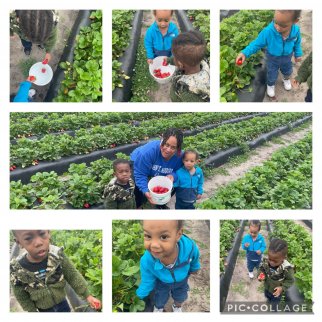
Summer’s in full swing and that means the garden is busy! Children love watching the pollinators visiting the garden, watering, and especially harvesting the fruits and vegetables they’ve helped grow. Local growers are harvesting their bounty too and that means more selection and lower prices. Summer is a great time for Farm to Early Childhood Education! Enjoy those first carrots, tomatoes, cucumbers, and melons with the help of these tips and recipes below!
|
|
Let It Grow! Summer Harvest
by Courtney Ramsey-Coleman, MS, RDN, LDN
|
 As summer arrives in North Carolina, Early Childcare Education sites have a wonderful opportunity to incorporate the bountiful summer harvest into their menus, providing children with fresh and nutritious meals that reflect the local flavors of the season. The vibrant produce available in the region includes an array of delicious options that can excite young taste buds and promote healthy eating habits. As summer arrives in North Carolina, Early Childcare Education sites have a wonderful opportunity to incorporate the bountiful summer harvest into their menus, providing children with fresh and nutritious meals that reflect the local flavors of the season. The vibrant produce available in the region includes an array of delicious options that can excite young taste buds and promote healthy eating habits.
Check out this seasonal harvest calendar to see what is in season throughout the entire year. Locally grown fruits like juicy peaches, plump blueberries, and refreshing watermelons are excellent choices for snacks, introducing children to the sweet tastes of summer. These fruits are delicious on their own, but adding them to yogurt parfaits or making fruit popsicles can be a fun and interactive way for children to enjoy them. North Carolina also boasts an abundance of garden-fresh vegetables, such as crisp cucumbers, vibrant tomatoes, and colorful bell peppers, which can be used in salads, wraps, or even veggie kebabs. Encouraging children to participate in the growing process by tending to a preschool garden will not only deepen their understanding of where food comes from but also allow them to experience the joy of harvesting their own vegetables.
 Think about incorporating a themed garden at your preschool, such as a salsa garden, and have the children help you prepare your own pico de gallo when the harvest is ready. If you don’t currently have a school garden, no worries! Buy your seasonal produce from a local farmer or farmers market. Eating seasonal foods is a budget-friendly choice you will really enjoy! From farm to table, incorporating the summer harvest into preschool menus not only nourishes children's bodies but also fosters a connection to their local community and promotes a lifelong love for wholesome, seasonal foods. Think about incorporating a themed garden at your preschool, such as a salsa garden, and have the children help you prepare your own pico de gallo when the harvest is ready. If you don’t currently have a school garden, no worries! Buy your seasonal produce from a local farmer or farmers market. Eating seasonal foods is a budget-friendly choice you will really enjoy! From farm to table, incorporating the summer harvest into preschool menus not only nourishes children's bodies but also fosters a connection to their local community and promotes a lifelong love for wholesome, seasonal foods.
|
|
Whip It Up!
by Marianne Lindgren and Chika Mita
NC Child and Adult Care Food Program (CACFP)
|
Carrots are ready to harvest! While we usually expect these root vegetables to be orange, they are available in a rainbow of colors, including red, orange, yellow, purple, even white! No matter the color, carrots are packed with vitamins and antioxidants that will keep the eyes sharp and body healthy.
Naturally sweet, raw carrots are a popular crunchy snack. They can also be served cooked, steamed, or roasted, like the recipe for Lemon Roasted Carrots below.
Carrots can be a great way to teach your class about root vegetables and children may enjoy seeing and tasting the various colors. Learn more about carrots and ideas for including them in your lessons here.
 Yield: 6 servings Yield: 6 servings
Serving size for 3-5-year-olds:
Vegetable component for Lunch/Supper: ¼ cup (Credits as ¼ cup vegetable)
Ingredients:
- ¾ lb. fresh carrots, without tops
- 1 Tbsp olive oil, vegetable
- 1 Tbsp lemon juice, from concentrate
- ¼ tsp salt
- ¼ tsp pepper
- (optional) parsley for garnish
Instructions:
- Wash hands for at least 20 seconds.
- Preheat conventional oven to 400 °F.
- Wash and slice fresh carrots (with skin on) into ¼-inch rounds.
- Toss carrots with oil, lemon juice, salt, and pepper. Place on sheet pan in a single layer and roast at 400 °F for 20 minutes or until tender and golden brown.
- Portion with ¼ cup. Garnish with parsley.
Recipe adapted from: Texas Department of Agriculture
|
|
Farmer Daniel Bryant practices minimal-to-no-till agriculture and takes great effort to nourish living soil while farmer Ellie Goldstein focuses on supplying and supporting the local community with rich produce, like their winter carrots. Find out why winter carrots are their favorite and what it takes to be good stewards of the environment. Learn more and view here.
Get your program recognized for your excellence in Farm to ECE!
Is your program gardening with children, doing cooking and taste test activities, and serving garden and other local produce in your meals and snacks? If so, you could get recognized for your achievement in Farm to ECE. REACH is accepting recognition applications through August 15, 2023. To be eligible, programs must achieve a high score in their Go NAPSACC Farm to ECE self-assessment. To apply, programs provide menus, garden photos, descriptions of food activities, a how Farm to ECE shows up in their policy handbook. Recognized programs get a profile on the REACH website, yard sign, and other publicity. F2ECE recognized programs also receive Farm to ECE materials valued at $50 and will be honored at the NC Farm to ECE Institute’s next Farm to ECE 2.0 Institute in October. Check out the REACH website for more information or get in touch at reachrecognition@gmail.com.
New Resources for Early Educators
Vermont Farm to School & Early Childhood Network are excited to share a three-part video series highlighting some of their favorite farm to early childhood (FTEC) classroom activities inspired by Shelburne Farms’ Cultivating Joy & Wonder. Hosted by Shelburne Farms Educators Jed Norris and Hannah Corbin, these how-to videos explore outdoor, place-based learning; cooking with kids; and extending children’s knowledge of agriculture and the food they eat. Learn more here.
Bee Wild Contest
Deadline: July 14, 2023
KidsGardening and Wyman's are teaming up to celebrate National Pollinator Month with the Bee Wild Contest! Thirty-five youth garden programs will win $200 to plant a pollinator garden. Learn more and enter now!
|
|
|
|
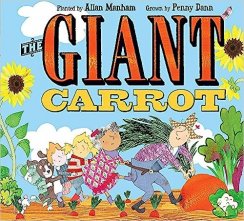
The Giant Carrot
by Allan Manham
When gardener Jack craves carrot soup, he tries to pick his biggest carrot from the ground.
Read aloud on YouTube.
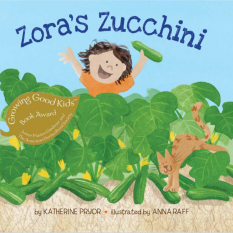
Zora's Zucchini
by Katherine Pryor
The first zucchini of a summer garden is always exciting, but what happens when the plants just keep growing…and growing…and growing? Read aloud on YouTube.
|
|
ASPHN Farm to Early Care and Education Implementation Grant (FIG) Year Three Comes to a Close!
by Debbi Timson
|
Trusting Hands, New Hanover County
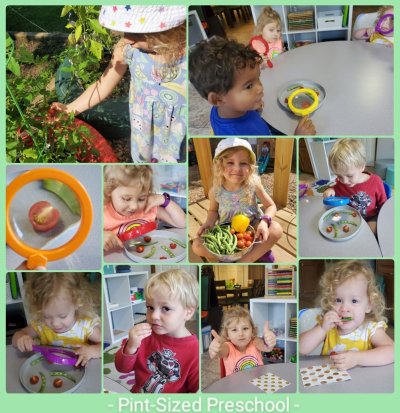
During our final year of FIG funding, the NC Farm to Preschool Network distributed mini-grants to 30 ECE centers and homes across 12 NC counties to build their capacity to implement Farm to ECE. These $250 mini-grants allowed ECE providers to purchase equipment and supplies for processing and preparing fresh, local foods in meals and/or snacks for their children. Items purchased include crockpots, cutting boards, and child-safe knives to engage children in the preparation. Funds could also be used to purchase local products from a farm, farm stand, and/or farmers market. In addition, each of the 30 centers received three farm- and food-themed books, as well as a $100 Amazon gift card to build their own activity kit or gardening kit and support them in their farm to school efforts. One provider in Nash County said, “Looking forward to putting the additional funds to good use with the many fresh fruits and vegetables becoming ‘in season’ at our local farmers markets. The children and parents will benefit from the healthy choices.”
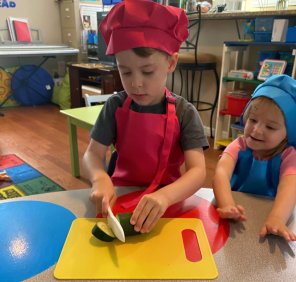 Little Angels Bilingual Daycare, Wake County
|
|
Meet NC F2P Network AC Member Dylan Allanson
|
I am Native of the Blue Ridge Mountains of Virginia in the fertile Shenandoah Valley. I was raised and educated through the lens of the importance of agriculture with the mantra and popular bumper sticker: No Farms, No Food.
My mom is an exceptional cook and baker (Something that can be taken for granted when you don't know any difference). We always made time for eating a well rounded meal together despite our busy schedules running from one sports practice to the next.
In my teenage years I became interested in experimenting in the kitchen myself, finding a love for food, not aware of the impact my mom's cooking had on my personal interests and growth.
It wasn't until college that my childhood experiences with food and where I was raised, led me to nutrition and dietetics. Since 2017, I've built my education and experiences around rural public health nutrition, working in research and currently with Head Start as a public health Dietitian covering Henderson, Transylvania, Polk and Rutherford Counties.
|
|
This Week in the Garden
@ Preschool
|
|
See what's happening
preschool edition! |
|
|
The NC Farm to Preschool Network connects, educates, develops and shares resources between community and state partners, farmers, early childhood educators and families to spark the local foods movement in early childhood education environments. |
|
|