|
|
|
Monthly Farm to School News from Growing Minds
March 2026
|
|
Storytelling, folklore, and bluegrass/folk music are rooted in Appalachian traditions. Folks here have long been self-sufficient, relying on a connection to nature. This region is known for handmade quilts, pottery, wood carvings, and the arts. Food was at the heart of
Appalachian culture—making the most of what they had. Families gardened, canned, and hunted together. This created strong bonds and a sense of community. They took care of one another and their neighbors. Many of these traditions were shaped by the knowledge and practices of Indigenous communities, including the Cherokee and Choctaw, and some are still practiced today. Check out a few of our favorite Appalachian traditions below. Hopefully you’ll be inspired to try a few with your students this month!
|
|
Many Appalachian communities relied on preserving food to see them through the winter months. Below are a few examples you can try with your students and families.
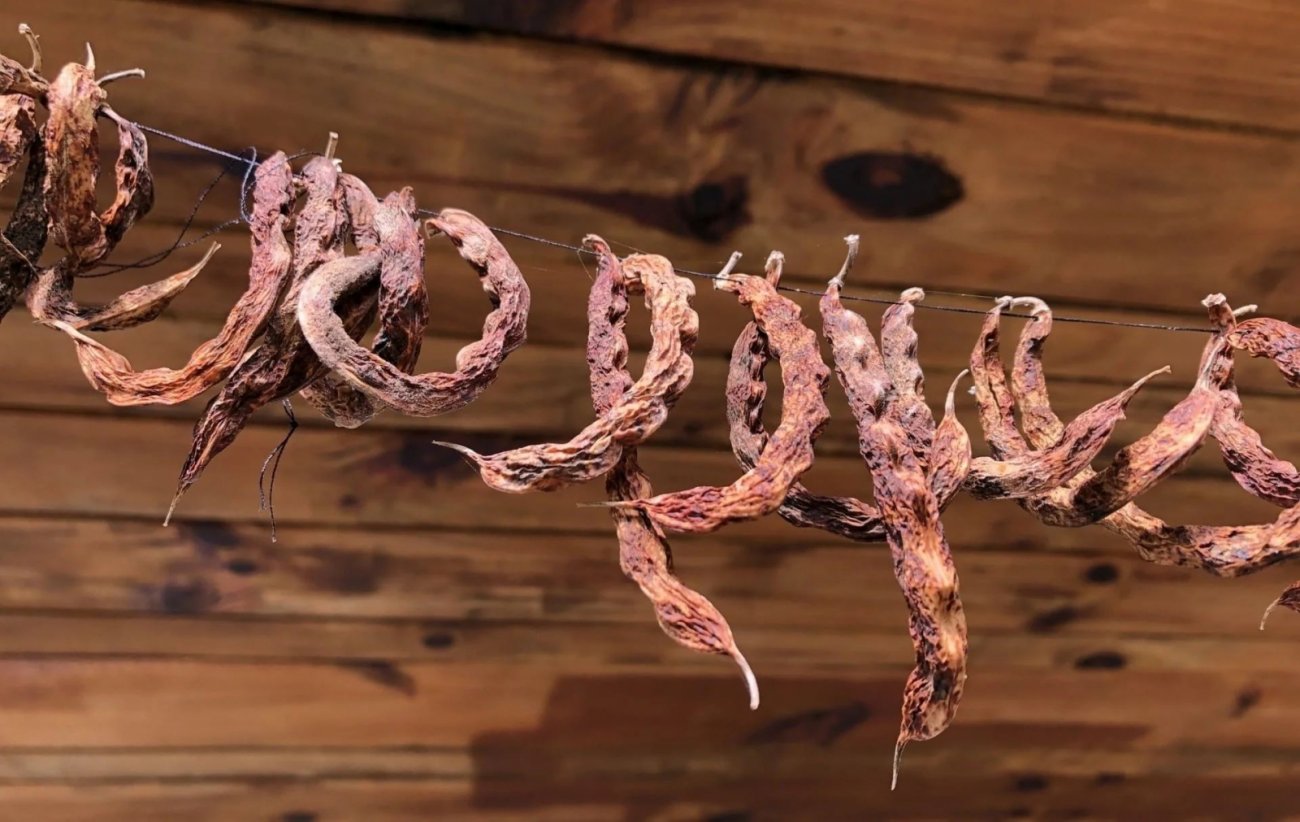
- Leather Britches: Greasies are the classic drying bean of Appalachia, used to make leather britches (pictured above). You can also dry common types like half runners or wax beans. Snap beans first and remove strings, if present. You can dry beans with or without blanching first. Some cooks find that blanching better preserves texture and color. Using a long, sharp needle and heavy thread (or unwaxed, unflavored dental wax), string beans or peppers, leaving half an inch in between each. Hang in a dry area with good airflow and sunshine (like your front porch). Depending on the humidity, they’ll be ready in three to four weeks. Beans will shrink considerably and will have a leathery texture. Store in airtight containers in a cool, dry place. Learn more here.
- Pickles: Pickling fruits and vegetables in jars is a popular method of preserving fresh produce. Cucumber pickles are the best known, but almost any produce can be pickled. Popular vegetables for pickling include okra, beans, carrots, green tomatoes, and corn. Find a few simple recipes for cucumber “refrigerator” pickles here. Find our lesson plan (3rd-5th grade) for making pickles here.
|
|
Appalachian tradition holds that farming activities should be planned according to the phases of the moon and the zodiac signs. People believed that each day of the month corresponded to a particular zodiac sign and a specific body part. According to this article, “Plant beans when the moon is in Gemini. Only that’s not what the Appalachian ‘old timers’ will say. They’ll say you plant beans ‘in the arms.’ This refers to the ‘Man of the Signs,’ an ancient sketch that assigns body parts to represent the astrological signs favorable or unfavorable to planting, or a number of other activities.”
Locally, Flying Cloud Farm keeps this Appalachian tradition alive and even sells “Planting with the Cosmos” calendars to help educate the community about this tradition. The calendar details daily, zone-specific (Eastern Time) planting, pruning, and harvesting based on moon phases and zodiac signs. The guide uses traditional Appalachian wisdom to identify fruitful times (Cancer, Scorpio, Pisces, Taurus, Capricorn, Libra) for planting.
You too can bring this Appalachian tradition to the classroom!
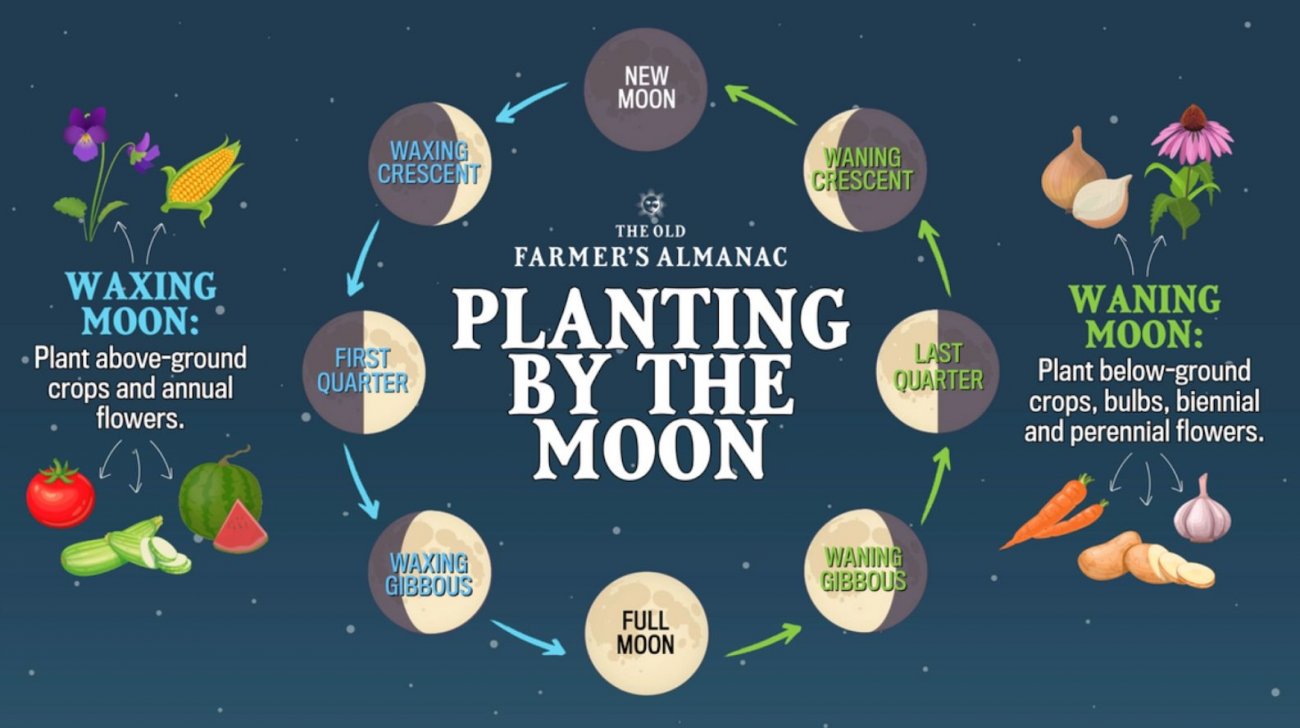
- The Old Farmer’s Almanac is a reference book that has been published continuously since 1792. It contains weather forecasts, planting charts, astronomical data, and recipes. This article provides the basics on the age-old practice of gardening according to the Moon’s phases.
- Learn more about the old Appalachian tradition of planting crops according to astrological signs appearing within the moon cycle in this video and article from Berea College in Kentucky.
- Middle grades lesson plan on the Appalachian traditions of planting by the signs and Heirloom Gardening from The Foxfire Fund.
If you’re interested in trying some of these traditions yourself, be sure to explore our Seed Library. We’re fortunate to have a partnership with Sow True Seed, an Asheville-based company that is able to supply us not only with standard favorites like watermelon radishes but also traditional Appalachian varieties. If you are an educator in Western North Carolina, contact us to find out how you can get free seeds for your school garden.
|
|
Bee Buddies Pollinator Program
Deadline: March 15, 2026
Award Amount: Mason bee starter kit
The Bee Buddies Program is a K–12, hands-on, student-led pollination learning experience. Using gentle, region-specific Mason bees, students observe the full pollination cycle right on their own campus while building a deeper connection to their local ecosystem. Learn more and apply here.
Whole Foods Market Foundation Garden Grant
Deadline: March 15, 2026
The annual Whole Foods Market Foundation Garden Grant program provides a $3,500 monetary grant to support a new or existing edible educational garden located at a K-12 School in the U.S. Learn more and apply here.
Growing Minds Farm to School Training
March 18, 2026 from 3:30-4:45 pm
This engaging virtual session will introduce you to the key components of farm to school, showcase our ready-to-use toolkits and resources, and highlight inspiring stories and insights from farm to school champions Western North Carolina. You’ll also have the opportunity to brainstorm creative, hands-on activities you can take back to your classroom or community. Partners and educators of all ages and experience levels are welcome—whether you’re new to farm to school or looking to deepen your impact! Register here to reserve your spot, and help us spread the word with this flier!
2026 Local Food Purchasing Workshop
March 19, 2026 1-2:30 pm
NC Farm to Preschool Network will share best practices and lessons learned from their work connecting Early Care and Education (ECE) sites and farms for local food procurement. Hear firsthand experiences from ECE staff and farmers who have established successful partnerships. Please register in advance for this workshop. After registering, you will receive a confirmation email containing information about joining the workshop.
Getting Local Foods to Little Eaters in Family Child Care Settings
March 26, 2026, 2-3:00pm ET
Join ASPHN and North Carolina State University’s Center for Environmental Farming Systems to learn more about success and lessons learned with helping Family Child Care Educators access and procure local foods. We will hear from organizers and educators from across the US to learn from their experiences of getting local foods to little eaters in Family Child Care sites. Register here.
|
|
|
Our office is located at 306 West Haywood Street, Asheville, NC 28801. We are open to the public Tuesday through Thursday from 9am to 5 pm. Call 828-236-1282 or email
Growing Minds is a program of ASAP (Appalachian Sustainable Agriculture Project). ASAP's mission is to help local farms thrive, link farmers to markets and supporters, and build healthy communities through connections to local food.
|
|
|
|
|
|
|
|