June 2026
Pollinator Power!
|
Pollinator Week 2026 is June 22-28 and it can be a great time to kick off summer activities. Want to help Bring Back the Pollinators? Start here:
🌸 Grow pollinator-friendly flowers
🏡 Provide nesting sites
🚫 Avoid pesticides
📣 Spread the word
Learn more and sign the pledge!
|
|
Let it Grow: Plant a Pollinator Garden
by Courtney Ramsey
Community and Clinical Connections for Prevention and Health Branch, Division of Public Health, NCDHHS
|
Pollinators play a vital role in our food system, helping produce many of the fruits, vegetables, and nuts we rely on every day. Creating a pollinator garden at a childcare site is a meaningful way to support biodiversity while providing hands-on learning opportunities for children. By planting native flowers, herbs, and shrubs that bloom across seasons, the garden can attract bees, butterflies, and other beneficial insects, while also teaching kids about ecosystems and food systems. Explore this Seasonal Pollinator Plant List for North Carolina to get ideas for what to plant in your garden. Simple features like shallow water sources, nesting areas, and avoiding pesticides help create a healthy habitat. To gain recognition, sites can apply for certification through programs like the North Carolina Wildlife Federation (Certified Wildlife Habitat) or the Bee City USA–Asheville (Pollinator Garden Certification), which provide guidelines and applications to officially designate the space as a wildlife or pollinator-friendly garden.
|
|
Whip It Up!
by Marianne Lindgren and Chika Mita
NC Child and Adult Care Food Program (CACFP)
|
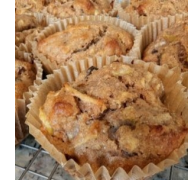 These wholesome muffins are a perfect fit for a snack rotation! The delightful contrast of textures and flavors offers something different in every bite. While many apple varieties work well, Granny Smith apples provide a tart flavor and a firm texture that holds up during baking. This recipe is also a great opportunity for fine motor skill development, as children can help measure, mix, and fill the muffin cups. These wholesome muffins are a perfect fit for a snack rotation! The delightful contrast of textures and flavors offers something different in every bite. While many apple varieties work well, Granny Smith apples provide a tart flavor and a firm texture that holds up during baking. This recipe is also a great opportunity for fine motor skill development, as children can help measure, mix, and fill the muffin cups.
Apple and Honey Muffins
Yield: 6 servings
Snack serving size for 1–5-year-olds: 1/2 muffin (1/2 oz. eq.)*
Ingredients:
- 1/2 cup sifted whole-wheat flour
- 1/2 cup shifted all-purpose enriched flour
- 1 tsp baking powder
- 1/2 tsp salt
- 1/4 tsp cinnamon
- 1/8 tsp nutmeg
- 1/8 cup finely chopped walnuts** (optional)
- 1/4 cup raisins
- 1/2 cup grated apple
- 1 egg
- 3 Tbsp honey***
- 1/4 cup milk
- 1/8 cup vegetable oil
Instructions:
- Wash hands with warm, soapy water.
- In a large mixing bowl, sift flour with baking powder, salt, and spices.
- Add finely chopped walnuts, raisins, and grated apples.
- In a separate bowl, beat eggs, then add honey, milk, and oil.
- Add the liquid mixture to the flour mixture, stirring just to blend.
- Grease muffin cups and divide the mixture evenly among the 6 muffin cups, filling each about 2/3 full.
- Bake at 400°F/200°C for 18 to 20 minutes or until a toothpick inserted in the center comes out clean.
*Ensure 1/2 muffin weighs at least 28 grams to meet the CACFP meal pattern.
**Be aware of any nut intolerances or allergies when preparing this recipe.
***For food safety reasons, honey should not be served to children less than 1 year of age. This includes honey served on its own, as a topping, cooked or baked into other foods, as well as store-bought foods made with honey.
CACFP Crediting for 1-5-year-olds: WGR, 1/2 oz. eq. grains
Recipe adapted from Grandma’s Apple and Honey Muffins, from The Beeman by Laurie Krebs.
|
|
|
The NC Farm to Preschool Network uplifts early childhood educators with inclusive resources, equitable opportunities, and diverse partnerships to spark connections between young children and the local foods movement. |
|
|
|
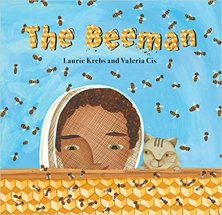
The Beeman
by Laura Krebs
In Laurie Krebs’s first book, she writes the tale of a loving Grandfather (known around town as the Beeman) passing on wisdom to his young granddaughter about his beloved bees, beekeeping, and, of course, honey. Young readers will enjoy learning about the roles both bees and humans play in the making of the syrupy and sweet treat we all love. Watch a read aloud on YouTube.
Bea's Bees
by Katherine Pryor
Beatrix discovers a wild bumblebee nest on her way home from school and finds herself drawn to their busy world. When her bees mysteriously disappear, Bea hatches a plan to bring them back. Watch a read aloud on YouTube.
|
|
Using CACFP for Local Food Initiatives
|
The Child and Adult Care Food Program (CACFP) is a federal program that provides financial reimbursement to qualified caregivers for meals and snacks served to eligible participants. In addition to helping centers serve healthy food, these supplemental funds can support local food
initiatives.
CACFP reimbursement can be used to purchase local foods for any reimbursable CACFP meal component. Costs associated with growing food to be used in CACFP meal service or for nutrition education are also allowable costs (e.g., seeds, soil, gardening tools, etc.). To apply CACFP reimbursement toward these items, they must be listed in the institution’s approved CACFP budget, procurement standards must be followed, and documentation of approved purchases, as well as donated or harvested foods, must be kept on file. If updates are needed to an approved CACFP budget, participating institutions should contact their Field Service Specialist for guidance.
Visit the North Carolina Farm to CACFP webpage for tools and resources to support your local food initiatives. If you’re interested in participating in the NC CACFP, visit the How to Apply webpage or contact the State agency for more information.
NC Farm to Preschool Network is making local food purchasing easier in ECE settings! Understand how to use CACFP to purchase local food and support other Farm to ECE activities, access tools and resources for finding and purchasing from NC farms. View PDF of workshop slides here!
|
|
This Week in the Garden
@ Preschool
|
|
See what's happening
preschool edition! |
|
|